
(technical) Electrical Diagnostics using Kirchhoff’s Voltage Law with Tony Martin
Thursday PM Session
Speakers
-
Tony Martin - DelphiTony Martin has been working in the automotive and diesel technology fields since 1984. He started his career in Canada as an apprentice mechanic at an International Harvester dealer and graduated as an Interprovincial Journeyman Heavy Duty Equipment Mechanic in 1989. Since that time, he has operated his own mobile repair business, worked in Alaska’s Cook Inlet oilfield as a gas turbine technician, and taught automotive and diesel technology at the post-secondary level for 17 years. After leaving the University of Alaska in 2013, he worked as a mobile equipment maintenance trainer at a corporate gold mine in Fairbanks, Alaska. His last full-time day in the mining industry was August 1, 2022, and he now is a freelance writer and trainer. Tony has written dozens of articles over the years for Motor Age magazine and the Mobile Air Climate Systems Association (MACS). He has also presented seminars at many conferences, including NACAT, MACS, TST, Automechanika and the ASE Instructor Training conference. Tony holds 22 ASE certifications, including CMAT (A1-A9), CMTT (T1-T8), F1, H1, L1, L2 and L3.
Summary
(technical) Variable Valvetrain Technology with Jerry Mungle
Thursday PM Session
Speakers
-
Jerry Mungle - ACDelco
Summary

(management) The High-Performance Service Advisor with Michelle Wood
Thursday PM Session
Speakers
-
Michelle Wood - ATIMichelle Wood is a Sales and Service Manager Instructor for the Automotive Training Institute (ATI), backed by 30 years of comprehensive operations and sales experience across the automotive and transportation sectors. A master of backend shop logistics and frontend profitability, Michelle’s deep technical administrative background includes steering complex warranty audits, corporate payroll, and aftermarket warranty administration. She has held foundational senior roles—including General Manager, Service Director, and Sales Manager—where she directed multi-location operations and family-owned independent shops. Known for translating complex operational friction into highly efficient systems, Michelle specializes in service advisor training, labor optimization, and ethical sales practices. At ATI, she leverages her three decades of hands-on expertise to scale business P&Ls, build operational accountability, and elevate shop leaders nationwide.
Summary

(technical) ADAS: Successful Calibrations & Troubleshooting with Liz Perkins
Thursday PM Session
Speakers
-
Liz Perkins - L1 Automotive TrainingLiz has been in the industry for over 6 years, serving in various capacities, including mobile programming, automotive key specialist, ADAS specialist and instructor. Currently, Liz Co-Owns and operates the L1 Automotive Group with her husband. The L1 Automotive Group comprises of the following 3 companies: L1 Automotive Diagnostics and Programming – A mobile company that only services other repair shops and collision centers in the Tulsa Oklahoma market, and the Oklahoma City market providing Diagnostics, ADAS, Module Programming, 1234yf and immobilizer solutions. Level 1 Automotive – A traditional brick and mortar repair shop that services the public providing complete vehicle repair and maintenance services in Tulsa Oklahoma. L1 Automotive Training – An automotive training company providing online content, in person training at large events and expos all over the world, content development and production for some of the biggest names in automotive training and multiple government contracts for content production, development and delivery. Liz currently serves as a Subject Matter Expert for the ASE L4 test. Liz’s favorite activity outside of work is taking care of her 40+ farm animals and spending time with her friends and family!
Summary

(technical) Vehicle Network Diagnosis with Gary Machiros
Thursday PM Session
Speakers
-
Gary Machiros - WTI
Summary

(management) Why Your Technicians Only Produce 3-5 Hours a Day (And How to Get Them to 10-12) with Rick White
Thursday PM Session
Speakers
-
Rick White - 180Biz
Summary

(technical) Advanced Alignment Diagnostics with William McAleese
Thursday PM Session
Speakers
-
William McAleese - Garage Guru
Summary

(management) Get a Grip on Tire Sales with Jonathon Tangye
Thursday Evening Fundamentals Training
Speakers
-
Jonathon Tangye - Epoch AutomotiveJonathon Tangye is the owner of Epoch Automotive in Doylestown, Pennsylvania, and has more than 25 years of experience in the automotive industry. Throughout his career, he has worked as a technician, service advisor, manager, and shop owner, giving him a unique perspective on every aspect of automotive repair. Jon is passionate about helping shops improve communication, build trust with clients, and increase profitability through education rather than sales tactics. As Mechanical Director for MAACA, he is committed to elevating the automotive industry through training, mentorship, and practical strategies that advisors and technicians can put to work immediately.
Summary

(management) Where Did the Cash Go? : Why Profitable Shops Still Run Out of Cash with Kris Rymer
Thursday Evening Fundamentals Training
Speakers
-
Kristopher Rymer - Rymer CPA
Summary

(technical) Ride Control and Noise Vibration Harshness (NVH) with Bill McAleese
Thursday Evening Fundamentals Training
Speakers
-
William McAleese - Garage Guru
Summary

(management) Profit in the Pit: The Blueprint for a More Profitable Auto Repair Shop with Chris Brower
Thursday Evening Fundamentals Training
Speakers
-
Chris Brower - ATIChris grew up in the auto industry working at his 4th generation family-owned shop. He started from the bottom and worked his way up. From sweeping floors, taking out trash, working in the bays fixing cars, running the front counter, and eventually transitioning into 4th generation shop owner and partner. Chris is passionate about helping shop owners set up their business, so it works better for them, instead of them working for it. Chris is clear, this does not mean you cannot and do not enjoy working in your business. It means you have the ability to do what you want, when you want, as much as you want. Chris has written content for all aspects of the automotive industry. He conducts virtual webinars and live events with ATI. He has also done events with Ratchet & Wrench, ASCCA, MAACA, and Parts Plus. He has helped shop owners from all over the country develop leadership and engagement skills so owners can build a culture around empowering their people. This way staff members can execute and do their job effectively, all while being held accountable to drive results. One of his favorite quotes, “Your only as good as your team allows you to be.” Chris has a Masters in Business Administration from York College of Pennsylvania. • ATI Sr. Business Consultant • 4th Generation Shop Owner • MBA Graduate
Summary
(technical) Active and Dynamic Fuel Management with Jerry Mungle
Friday AM Session
Speakers
-
Jerry Mungle - ACDelco
Summary

(technical) Improving Your Road Test Diagnostics Using Fuel Trim with Jim Wilson
Friday AM Session
Speakers
-
James Wilson
Summary
(technical) Steering and Suspension Systems with David Cochrane
Friday AM Session
Speakers
-
David Cochrane
Summary

(technical) Advanced Module Programming for the Rest of the Vehicle with Tim Iezzi and Ira Waldman
Friday AM Session
Speakers
-
Tim Iezzi - Expertech Automotive TrainingTim Iezzi is co-owner of Iezzi’s Auto Service, with more than 23 years of hands-on experience in the automotive industry. He holds a degree in Mechanical Engineering from Elizabethtown College and is an ASE Master Technician with multiple advanced certifications. Tim delivers technical training for Carquest, ExperTech, and Eepromicon, serves on the MACS board of directors, and has presented at leading industry conferences across the country.
-
Ira Waldman - Expertech Automotive TrainingIra Waldman, owner of ExperTech Automotive in New Jersey, brings more than 40 years of hands-on experience diagnosing complex drivability and electrical issues. An ASE Master Technician with L1 certification, Ira is also a certified instructor for New Jersey’s Emission Repair and Inspector Licensing Program. He has developed and delivered technical training nationwide for MEA, ExperTech Automotive Training, and Eepromicon, and has presented at many of the industry’s leading training events, including AAPEX, VISION, TOOLS, Super Saturday, and ATE.
Summary

(technical) Hands On Scope Class with Scott Shotton Part 1 (Please note, this is an 8hr hands-on class)
Friday AM Session
Speakers
-
Scott Shotton - WTI
Summary

(management) Leading the Back of the House: KPIs, Workflow, and Team Development with Andrew Fischer
Friday AM Session
Speakers
-
Andrew Fischer
Summary

(mangement) The Numbers That Drive Profitable Growth with Kris Rymer
Friday AM Session
Speakers
-
Kristopher Rymer - Rymer CPAKris Rymer, CPA, is the founder of Rymer CPA and the owner of Rymer Automotive Specialists, an independent repair shop in Wilkes-Barre, Pennsylvania. Unlike most accountants serving the automotive industry, Kris actively manages and grows his own repair shop while advising business owners on accounting, tax, and financial strategy. By combining more than two decades of CPA experience with the day-to-day realities of shop ownership, he helps owners make better decisions about growth, profitability, staffing, and cash flow. Under his leadership, Rymer Automotive has recently grown from approximately $830,000 in annual revenue to a current run rate exceeding $1.5 million.
Summary
(technical) Electro-Hydraulic Brake System with Jerry Mungle
Friday PM Session
Speakers
-
Jerry Mungle - ACDelco
Summary

(technical) Cracking the Code: Diagnostic Frameworks for Modern Vehicle Electronics with David Nix
Friday PM Session
Speakers
-
David Nix - ATIDavid Nix is a highly accomplished professional with a multifaceted career in the automotive industry. As the Leading Tech Training Program Instructor at ATI (Automotive Training Institute), David brings his wealth of expertise to develop and oversee ATI's comprehensive technical training programs. His commitment to advancing the industry's knowledge and skills is reflected in his various leadership roles and affiliations. With a strong background in education and curriculum development, David's experience extends beyond the automotive industry. He served as a distinguished instructor and curriculum developer in the United States Navy, where he played a vital role in shaping the training programs for future Navy personnel. This background in instructional design and pedagogy serves as a solid foundation for his contributions to the automotive training field. David’s dedication to the automotive industry is further evident in his involvement with esteemed organizations. In recognition of his expertise and commitment to education, David serves on the Automotive Advisory Boards of Lincoln Tech in Irving Texas. Through this advisory role, he provides valuable insights and guidance to ensure that educational programs align with industry needs and standards. He is an Evaluation Team Leader for ASE to ensure teaching intuitions to fill the accreditation standards set by ASE. Certified Executive Coach, Genos Evaluation Team Leader, ASE World Class Technician with over 32 ASE Certification. Throughout his career, David Nix has exhibited a relentless passion for advancing the automotive industry through education, collaboration, and leadership. With his extensive experience in curriculum development, instructional design, and training program management, he continues to elevate the standards of technical training and empower professionals to excel in their careers.
Summary
(technical) Tesla Service Fundamentals with Bill Weaver
Friday PM Session
Speakers
-
Bill Weaver - NAPA
Summary

(technical) Diagnostics Using OBD2 with Andrew Fischer
Friday PM Session
Speakers
-
Andrew Fischer
Summary

(technical) EVAP System Diagnostics with "G" Jerry Truglia
Friday PM Session
Speakers
-
Jerry Truglia
Summary

(technical) Hands On Scope Class with Scott Shotton Part 2 (Please note, this is an 8hr hands-on class)
Friday PM Session
Speakers
-
Scott Shotton - WTI
Summary
(management) Driving Profits Through Shop Production & Payroll with Bill Haas
Friday PM Session
Speakers
-
Bill Haas
Summary

(technical) Last Call Diagnostics: How to Fix What Everyone Else Gave Up On with Chris Farley
Saturday AM Session
Speakers
-
Chris Farley - Expertech Automotive TrainingChris Farley is the owner of Automedic Mobile Programming & Diagnostics in New Jersey, where he uses more than 30 years of automotive industry experience to assist repair and collision shops with complex vehicle diagnostics, module programming, and ADAS calibration across all makes and models. Chris has spent his career in the independent automotive repair industry. He began as an entry-level technician with a national retail repair chain and worked his way up to lead technician before moving into technical training, where he developed and delivered diagnostic and technical training curriculum for technicians. Building on decades of hands-on diagnostic and training experience, Chris took on the challenge of starting Automedic Mobile Programming & Diagnostics, bringing advanced diagnostics, programming, module setup, and ADAS calibration services directly to repair and collision facilities. He’s expanded his role as an educator by becoming a technical trainer with Expertech Automotive Training, continuing to share real-world diagnostic knowledge and experience with technicians throughout the industry.
Summary

(technical) Misfires Causes and Effects with Jim Wilson
Saturday AM Session
Speakers
-
James Wilson
Summary

(technical) Professional Techniques for Maximizing Scan Tool Efficiency with Josh Weaver
Saturday AM Session
Speakers
-
Josh Weaver - Dorman
Summary

(technical) From Capture to Confidence Developing the Skills to Diagnose with a PicoScope with Trevor Schlientz
Saturday AM Session
Speakers
-
Trevor Schlientz - AutonerdzTrevor Schlientz is the owner of Autonerdz, a company specializing in PicoScope sales, technical support, and diagnostic training for automotive professionals across North America. An ASE Master Certified Technician since 2005, Trevor spent more than 15 years working in the automotive repair industry before purchasing Autonerdz in 2020. Known for his practical, technician-focused approach, Trevor teaches diagnostic methods that technicians can immediately apply in the shop. His classes emphasize waveform analysis, test strategy, and understanding why a test works—not simply following a procedure. Rather than focusing on tool operation alone, he helps technicians develop the critical thinking skills needed to solve complex electrical and drivability problems with confidence. In addition to presenting at industry conferences and private training events, Trevor provides ongoing technical support and educational resources through Autonerdz. His mission is to help technicians become more capable diagnosticians by making advanced testing methods approachable, repeatable, and practical for everyday use.
Summary

(technical) HVAC For Electrified Vehicles - Essentials in PHEV & BEV Thermal Management with Dave Hobbs
Saturday AM Session
Speakers
-
David Hobbs
Summary
(management) 7 Habits of Highly Successful Service Advisors with Bill Haas
Saturday AM Session
Speakers
-
Bill Haas
Summary
(management) Supercharge Your Shop: How AI Identifies & Elevates Advisor Performance with Coralee Zueff
Saturday AM Session
Speakers
-
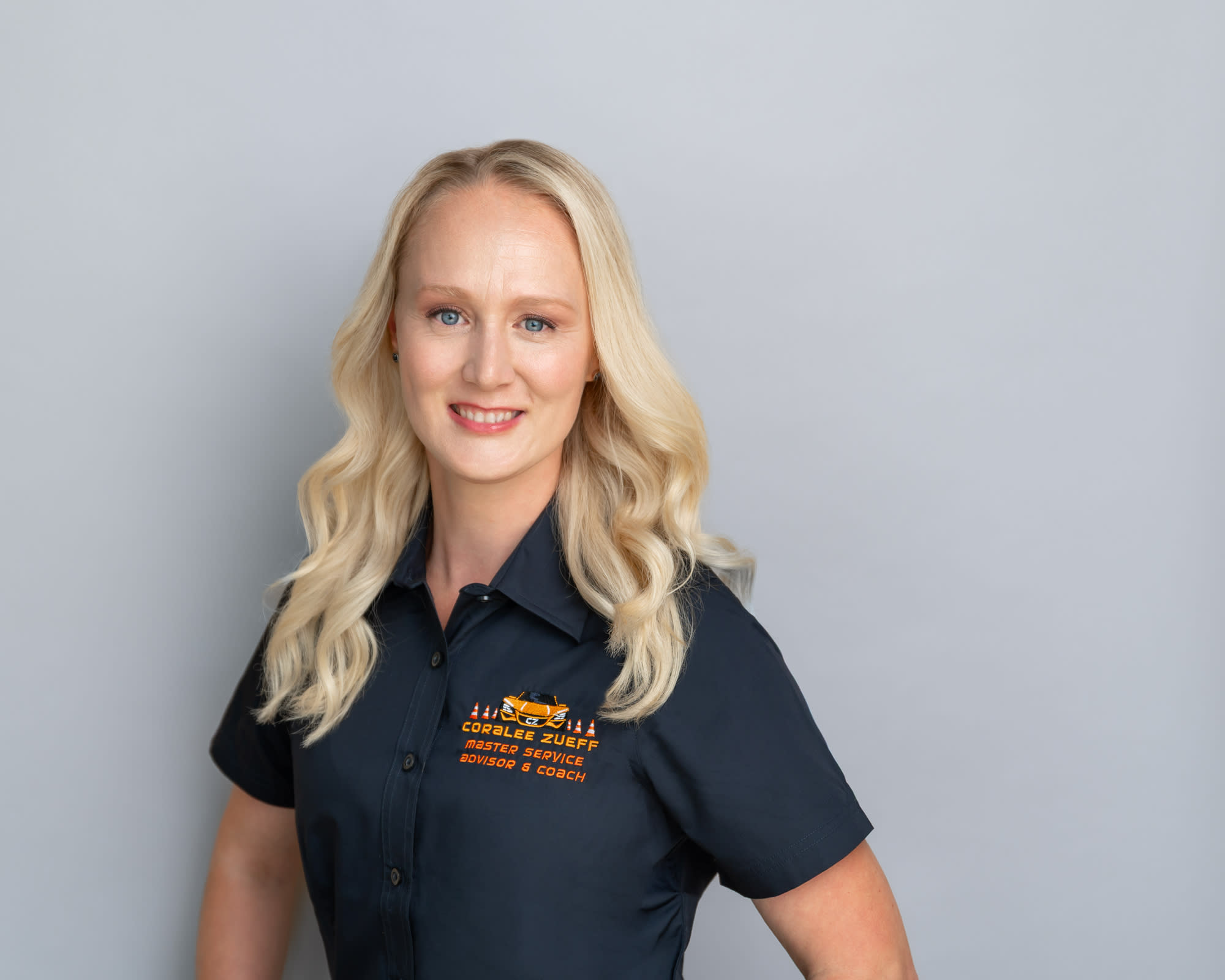
Coralee ZueffCoralee Zueff has over 24 years of experience in the automotive industry, bringing a wealth of knowledge to every aspect of the business. She started as a technician, moved to sales and found the perfect fit in parts and service. For more than a decade, Coralee led a thriving European import shop on Vancouver Island, mastering the unique art of keeping high-performance vehicles at their best. Along the way, she learned the ins and outs of diagnostics, maintenance, and repairs plus what their drivers expect from a truly elite service experience. Her books “Five Star Service Advisor” and “Coralee’s Car Care Cookbook” are often a best seller on Amazon. Not only does Coralee work in automotive, she also plays in automotive. When not talking shop, she can be found autocrossing her 2019 VW Golf R at the local track. Coralee lives on Vancouver Island with her husband Clinton and daughters Shelby and Danika.
Summary

(technical) Mastering Variable Valve Timing with Josh Weaver
Saturday PM Session
Speakers
-
Josh Weaver - Dorman
Summary

(technical) HVAC Diagnostic Principles with Tony Martin
Saturday PM Session
Speakers
-
Tony Martin - DelphiTony Martin has been working in the automotive and diesel technology fields since 1984. He started his career in Canada as an apprentice mechanic at an International Harvester dealer and graduated as an Interprovincial Journeyman Heavy Duty Equipment Mechanic in 1989. Since that time, he has operated his own mobile repair business, worked in Alaska’s Cook Inlet oilfield as a gas turbine technician, and taught automotive and diesel technology at the post-secondary level for 17 years. After leaving the University of Alaska in 2013, he worked as a mobile equipment maintenance trainer at a corporate gold mine in Fairbanks, Alaska. His last full-time day in the mining industry was August 1, 2022, and he now is a freelance writer and trainer. Tony has written dozens of articles over the years for Motor Age magazine and the Mobile Air Climate Systems Association (MACS). He has also presented seminars at many conferences, including NACAT, MACS, TST, Automechanika and the ASE Instructor Training conference. Tony holds 22 ASE certifications, including CMAT (A1-A9), CMTT (T1-T8), F1, H1, L1, L2 and L3.
Summary

(technical) Get Amped – Using Electrical Current to Make Diagnostic Calls with Trevor Schlientz
Saturday PM Session
Speakers
-
Trevor Schlientz - AutonerdzTrevor Schlientz is the owner of Autonerdz, a company specializing in PicoScope sales, technical support, and diagnostic training for automotive professionals across North America. An ASE Master Certified Technician since 2005, Trevor spent more than 15 years working in the automotive repair industry before purchasing Autonerdz in 2020. Known for his practical, technician-focused approach, Trevor teaches diagnostic methods that technicians can immediately apply in the shop. His classes emphasize waveform analysis, test strategy, and understanding why a test works—not simply following a procedure. Rather than focusing on tool operation alone, he helps technicians develop the critical thinking skills needed to solve complex electrical and drivability problems with confidence. In addition to presenting at industry conferences and private training events, Trevor provides ongoing technical support and educational resources through Autonerdz. His mission is to help technicians become more capable diagnosticians by making advanced testing methods approachable, repeatable, and practical for everyday use.
Summary

(technical) Parasitic Draw Diagnostics Tools, Techniques and Tips with Gary Machiros
Saturday PM Session
Speakers
-
Gary Machiros - WTI
Summary

(technical) Turbocharged Diagnostics with VE & Scan Data with Scott Shotton
Saturday PM Session
Speakers
-
Scott Shotton - WTI
Summary

(management) A Vehicle's Medical Record: The Power of the DVI with Uwe Kleinschmidt
Saturday PM Session
Speakers
-
Uwe Kleinschmidt - AutoTechIQUwe Kleinschmidt is the Founder and CEO of AutoTechIQ, a company that helps auto repair shops improve their digital vehicle inspection (DVI) process with innovative software. A recognized innovator in the automotive aftermarket, Uwe was also the founder of AutoVitals, one of the original and disruptive DVI platforms in the industry. With deep expertise in both software development and shop operations technology, Uwe has spent his career advancing how repair shops communicate with customers and manage workflow through intelligent automation. At AutoTechIQ, he continues that mission by leading the creation of AI-powered tools that make inspection results clearer and more compelling for customers—helping service advisors focus on advising, not hard selling.
Summary

(management) Build the Business, Keep the Marriage: Working With Your Spouse or Partner with Rick White
Saturday PM Session
Speakers
-
Rick White - 180Biz